Belbin and Lencioni's 5 Dysfunctions of a Team

Using Belbin Team Roles to Overcome Lencioni's Five Dysfunctions of a Team

Why Do Good Teams Sometimes Underperform?
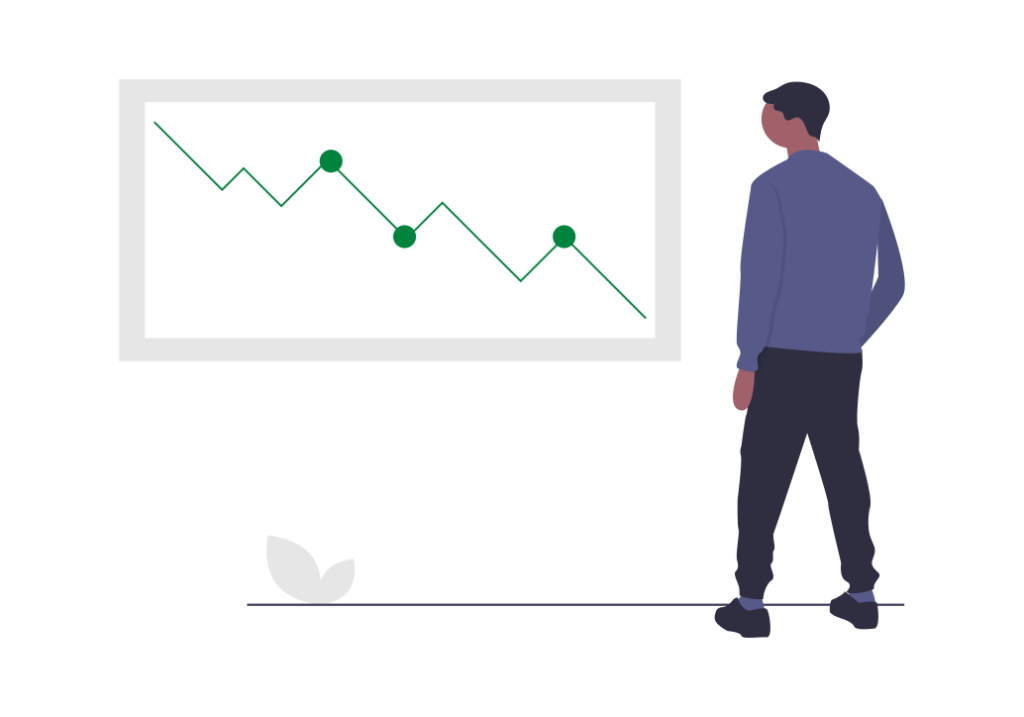
Belbin Downward Trend Team Performance

Most organisations understand the importance of teamwork.

Yet even teams made up of talented, experienced and motivated individuals can struggle to perform effectively.

In his bestselling book The Five Dysfunctions of a Team, Patrick Lencioni identified five common barriers that prevent teams from achieving their full potential:

  • Absence of Trust
  • Fear of Conflict
  • Lack of Commitment
  • Avoidance of Accountability
  • Inattention to Results


These dysfunctions create a downward spiral that can damage communication, decision-making and performance.

The good news is that each of these challenges can be addressed.

By understanding how individuals naturally contribute within a team, organisations can create stronger relationships, improve collaboration and build high-performing teams.

This is exactly where Belbin Team Roles can help.
Understanding Belbin Team Roles

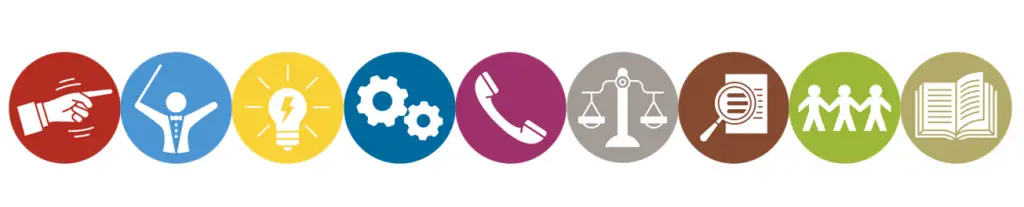
9 Belbin Team Roles - Belbin Reports

Belbin Team Roles describe nine clusters of behaviour that individuals tend to display when working with others.

Rather than focusing on personality, Belbin helps identify how people contribute to team success.

The nine Belbin Team Roles are:

Action-Oriented Roles

Shaper

Implementer

Completer Finisher

People-Oriented Roles

Coordinator

Teamworker

Resource Investigator

Thinking Roles

Plant

Monitor Evaluator

Specialist

Every individual brings a unique combination of strengths and allowable weaknesses. 

Understanding these differences helps teams work together more effectively and avoid many of the issues identified by Lencioni.

The 5 Dysfunctions

Dysfunction 1: Absence of Trust

Belbin Warning

The Challenge

Trust forms the foundation of every successful team.

When trust is lacking, team members may:

  • Hide mistakes
  • Avoid asking for help
  • Be reluctant to share ideas
  • Protect themselves rather than support colleagues


Without trust, genuine collaboration becomes difficult.

How Belbin Helps

Belbin encourages individuals to understand both their own strengths and those of others.

When team members recognise that colleagues may contribute in different ways, but equally valuably, they can become more accepting of different working styles.

For example:

  • A Plant may generate creative ideas but occasionally overlook practical details.
  • A Completer Finisher may identify risks and errors that others miss but worry unduly.
  • A Teamworker may focus on maintaining relationships and team cohesion but avoid conflict.


By properly understanding these differences, team members are less likely to make negative assumptions about each other’s behaviour.

Practical Application

Use Belbin reports within team workshops to help individuals:

  • Share strengths and preferred ways of working.
  • Understand colleagues’ contributions.
  • Discuss allowable weaknesses openly.
  • Build greater appreciation for diversity of thought and behaviour.


The result is increased psychological safety and stronger trust.

Dysfunction 2: Fear of Conflict

Belbin Conflict Management

The Challenge

Many teams avoid healthy disagreement.

Instead of discussing difficult issues openly, they may:

  • Remain silent during meetings.
  • Hold conversations after meetings.
  • Avoid challenging poor ideas.
  • Prioritise harmony over effectiveness.


However, constructive conflict is often essential for better decision-making.

How Belbin Helps

Belbin demonstrates that different viewpoints are both natural and valuable.

For example:

  • Shapers may challenge assumptions and push for action.
  • Monitor Evaluators may carefully analyse risks and alternatives.
  • Plants may offer innovative perspectives.
  • Teamworkers may help maintain positive relationships during debate.

Understanding these differences can help teams recognise that disagreement is often about perspective rather than personality.

Practical Application

Encourage teams to deliberately seek input from different Belbin roles before making important decisions.

This can improve:

  • Decision quality
  • Creativity
  • Risk management
  • Engagement


Resolving conflict becomes easier when individuals understand why colleagues approach problems differently.

Dysfunction 3: Lack of Commitment

Belbin Lack of Commitment

The Challenge

Teams struggle to commit when people leave meetings unclear about decisions or unconvinced by the process.

This often results in:

  • Mixed messages
  • Delayed action
  • Repeated discussions
  • Reduced momentum

How Belbin Helps

Belbin can help teams ensure that different perspectives are considered before decisions are made.

When team members feel heard, they are more likely to support decisions even when the final outcome is not their preferred option.

Roles such as:

  • Coordinators help build consensus.
  • Monitor Evaluators provide objective analysis.
  • Shapers drive decision-making and progress.


Together, these contributions help create greater clarity and commitment.

Practical Application

Before finalising major decisions, consider whether:

  • Creative options have been explored.
  • Risks have been evaluated.
  • Stakeholders have been engaged.
  • Clear ownership has been established.


A balanced mix of Belbin contributions helps teams move from discussion to commitment.

Dysfunction 4: Avoidance of Accountability

Belbin Avoiding Accountability

The Challenge

High-performing teams hold each other accountable.

In weaker teams, individuals may:

  • Miss deadlines without challenge.
  • Avoid difficult conversations.
  • Lower standards to maintain harmony.
  • Rely on managers to enforce accountability.

How Belbin Helps

Belbin clarifies how individuals contribute and where responsibilities naturally align.

For example:

  • Implementers help turn plans into action.
  • Completer Finishers focus on quality and deadlines.
  • Shapers maintain momentum and challenge complacency.
  • Coordinators ensure responsibilities are understood.


When team roles and expectations are clear, accountability becomes easier and more objective.

Practical Application

Use Belbin insights to define responsibilities based around natural behavioural strengths.

This helps teams:

  • Clarify expectations.
  • Improve follow-through.
  • Reduce duplication.
  • Increase ownership.

Dysfunction 5: Inattention to Results

The Challenge

The ultimate goal of a team is collective success.

Unfortunately, teams can become distracted by:

  • Individual priorities.
  • Functional silos.
  • Personal agendas.
  • Departmental politics.


When this happens, organisational performance suffers.

How Belbin Helps

Belbin encourages individuals to focus on the complementary contributions required for overall team success.

Rather than competing for recognition, team members develop greater appreciation for how different roles contribute to shared outcomes.

For example:

  • Plants generate ideas.
  • Resource Investigators identify opportunities.
  • Implementers execute plans.
  • Completer Finishers ensure quality.
  • Coordinators align efforts around common goals.


EVERY contribution matters.

Practical Application

Review team objectives alongside Belbin profiles to ensure the team has the behavioural strengths required to achieve its goals.

Regularly ask:

  • Do we have the right balance of contributions?
  • Are any roles over represented?
  • Are important contributions missing?
  • How effectively are we utilising individual strengths?

Bringing Belbin and Lencioni's 5 Dysfunction Models Together

Belbin Combining Process

Patrick Lencioni’s Five Dysfunctions model explains why teams struggle.

Belbin Team Roles help explain how individuals contribute and how those challenges can be addressed.

Together, the two frameworks provide a powerful approach to improving team effectiveness.

Lencioni highlights the barriers to success.

Belbin provides practical insight into the behaviours, strengths and relationships that help teams overcome them.

For leaders, managers and HR professionals, combining both models can provide a valuable framework for building stronger, more collaborative and higher-performing teams.

How Belbin Scotland Can Help

Whether you are developing a leadership team, improving team performance or addressing specific challenges around communication, trust or accountability, Belbin can provide practical and actionable insights.

Belbin Scotland offers:


To learn more about how Belbin can help your team overcome the common dysfunctions identified by Patrick Lencioni, please get in touch.

Belbin Capability and Team Performance